
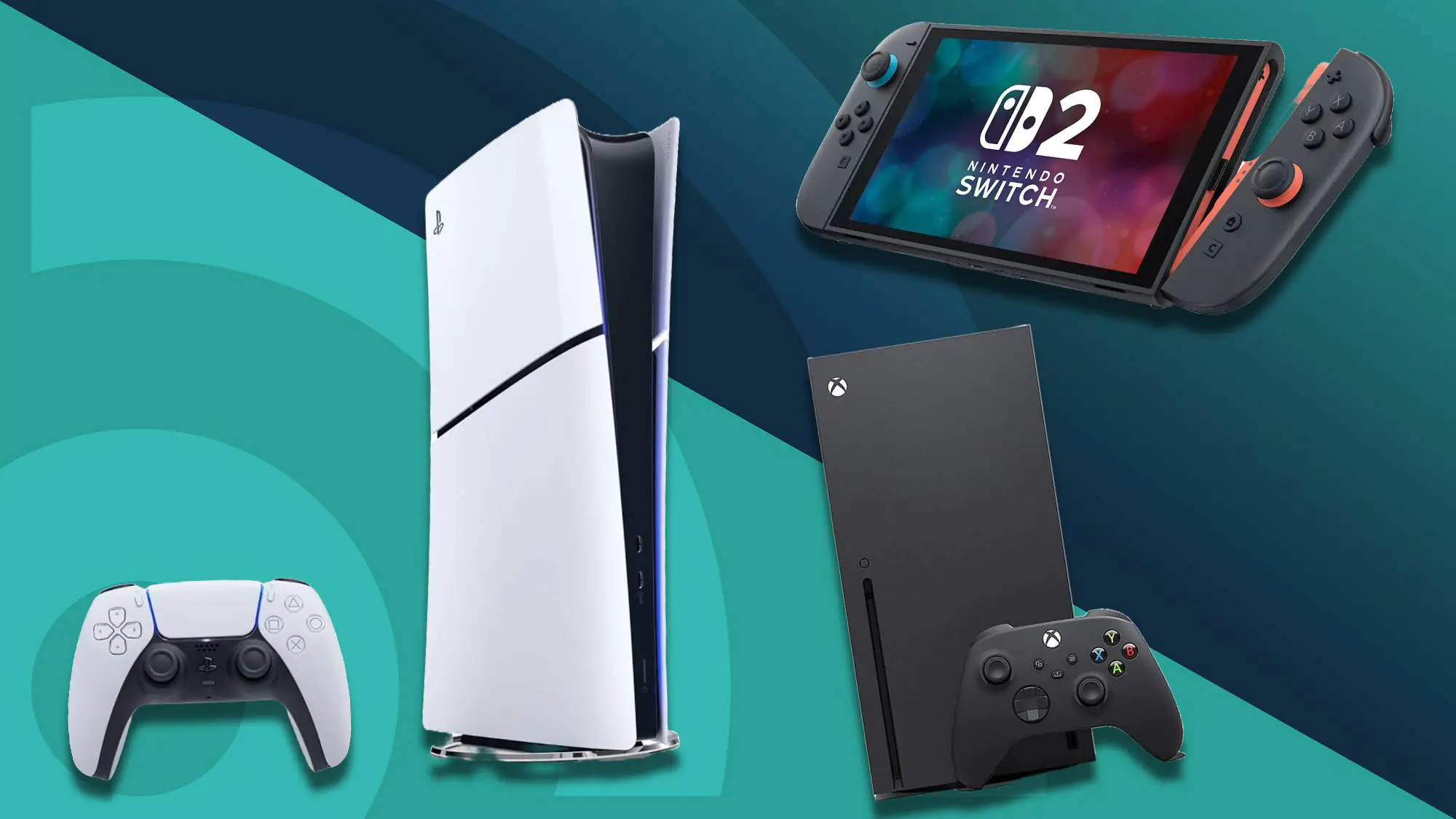
In the world of gaming, we often focus on graphics, processing power, and exclusive titles. But there’s another crucial factor that determines the long-term value of your investment: durability. A gaming console is more than just an electronic device; it’s a gateway to new worlds, a vessel for countless hours of entertainment, and for many, a centerpiece of their living room. The last thing anyone wants is for their expensive hardware to fail prematurely. So, which brands have built a reputation for creating the most durable gaming consoles?
This in-depth analysis will explore the build quality, materials, and historical track record of the major players in the console market. We’ll sift through decades of hardware, from retro classics to modern powerhouses, to determine which brands produce long-lasting gaming systems. We’ll examine user reports, expert teardowns, and legendary stories of survival to crown the champions of console durability.
What Defines a Durable Gaming Console?
Before we dive into specific brands, it’s important to define what “durability” means in this context. It’s not just about surviving a drop (though that’s part of it). True durability is a combination of several key factors:
- Build Quality and Materials: This refers to the physical construction of the console. Is the casing made of cheap, brittle plastic or a robust, high-grade polymer? Are the internal components well-secured? A solid build quality is the first line of defense against physical damage.
- Internal Component Longevity: This is about the resilience of the electronics inside. It includes the quality of the solder points, the efficiency of the cooling system, and the lifespan of moving parts like disc drives and cooling fans. Failures like the Xbox 360’s “Red Ring of Death” are classic examples of poor component longevity.
- Design and Thermal Management: How a console dissipates heat is one of the most critical aspects of its long-term health. An excellent cooling system prevents internal components from degrading over time due to thermal stress. A well-designed console will run cool and quiet even after years of use.
- Resistance to Common Failures: Every console generation has its own set of common problems. A durable console is one that has fewer widespread, inherent design flaws. This includes issues like controller drift, failing disc drives, or power supply failures.
With these criteria in mind, let’s examine the brands that have shaped the gaming landscape.
Nintendo: The Undisputed Champion of Resilience
When it comes to durability, one name consistently rises to the top in both public perception and historical evidence: Nintendo. From their earliest days, Nintendo has built a reputation for creating hardware that feels like it could survive the apocalypse. This philosophy is born from their focus on a younger audience and portable gaming, where bumps, drops, and rough handling are expected.
The Legendary Nintendo 64 and Game Boy
You can’t discuss gaming console durability without mentioning the Nintendo 64. This console is the stuff of legends. Its tough plastic shell and cartridge-based format (no moving disc drive) made it a tank. There are countless stories online of N64s surviving fires, floods, and falls from significant heights, only to be plugged in and work perfectly. The system’s simple, robust internal design and effective heat management meant it rarely suffered from electronic failures.
Similarly, the original Game Boy is an icon of indestructibility. One famous example, which was on display at the Nintendo Store in New York City, survived a bombing during the Gulf War. Despite being scorched and melted, it still turned on and was fully playable. This level of resilience is a testament to Nintendo’s engineering principles: simplicity, reliability, and robust construction. The company’s focus on function over pure power has often led them to create simpler, more reliable hardware.
Modern Nintendo: The Switch and “Joy-Con Drift”
How does this legacy hold up today? The Nintendo Switch, a hybrid home and portable console, continues the tradition of impressive physical durability. Its main body is sturdy, and numerous drop tests have shown it can withstand falls that would shatter a tablet or smartphone. The use of cartridges instead of discs also eliminates a common point of failure.
However, the Switch is not without its Achilles’ heel: the “Joy-Con drift.” This issue, where the controller’s analog sticks register input without being touched, has become a well-documented problem and has led to lawsuits and widespread customer complaints. While the console itself is a fortress, this single, pervasive issue with its primary controllers has slightly tarnished Nintendo’s otherwise sterling reputation for hardware reliability. Despite this, the core console remains one of the most physically robust modern gaming systems available.
Sony’s PlayStation: A History of Refinement
Sony entered the console market with a focus on cutting-edge technology and a more mature audience. Their approach to build quality has evolved over the years, marked by some initial stumbles followed by impressive feats of engineering and reliability.
The Original PlayStation and Its Quirks
The first PlayStation (PS1) was a revolutionary device that brought 3D gaming to the masses. However, its early models were known for a specific durability issue. The laser assembly for the CD-ROM drive was housed in a plastic sled that would slowly deform from the heat generated by the console. This would cause the laser to misalign, leading to skipping cutscenes and games failing to load. Savvy owners famously discovered that turning the console upside down or on its side could temporarily fix the issue. This problem demonstrated that even great consoles can have design flaws that impact long-term durability.
The PlayStation 2: An Unmatched Juggernaut
Sony learned from its mistakes. The PlayStation 2 is not only the best-selling console of all time but also one of the most reliable. The “slim” model, in particular, was a marvel of efficient and durable design. With a massive library of games and a reputation for longevity, many PS2s are still running perfectly today, more than two decades after their initial release. Sony refined its cooling, improved the disc drive mechanism, and created a workhorse that defined a generation.
The PlayStation 3 and the “Yellow Light of Death”
The PlayStation 3’s launch was a mixed bag. The original “fat” models were powerful, backward-compatible machines, but they were also prone to the “Yellow Light of Death” (YLOD). This failure was similar to the Xbox 360’s issue and was caused by solder points under the GPU cracking due to repeated heating and cooling cycles.
However, Sony was quick to address the problem. The subsequent “Slim” and “Super Slim” models of the PS3 were significant redesigns. They were more power-efficient, ran much cooler, and were far more reliable. This mid-generation course correction showed Sony’s commitment to improving the durability of their hardware.
PlayStation 4 and 5: Modern Reliability
The PlayStation 4 was a resounding success in terms of durability. Free from the widespread hardware failures that plagued the previous generation, the PS4 proved to be a highly reliable and long-lasting gaming system. Its design prioritized effective cooling, and there were no major, common hardware faults reported on the scale of the YLOD or RRoD.
The PlayStation 5 continues this trend. It’s a massive console, and that size is largely dedicated to an enormous and highly effective cooling system. Teardowns have revealed a sophisticated design with a huge fan, massive heatsinks, and the use of liquid metal as a thermal interface material. While it’s still relatively early in its lifecycle, the PS5’s design suggests a strong focus on preventing the thermal issues that have caused failures in the past, positioning it as a potentially very durable console.
Microsoft’s Xbox: A Tale of Two Halves
Microsoft’s journey in the console space has been a dramatic one, marked by one of the most infamous hardware failures in tech history, followed by a complete turnaround and a new reputation for building robust and reliable systems.
The Original Xbox: Built Like a Tank
The first Xbox, released in 2001, was a beast. It was large, heavy, and incredibly sturdy. Its internal components were well-protected within a metal chassis, and its overall construction was more akin to a PC than a typical console. While it did have a known issue with a specific clock capacitor leaking and damaging the motherboard in later years, this was a fixable problem that took a long time to manifest. For its era, the original Xbox was a remarkably durable machine.
The Xbox 360 and the “Red Ring of Death”
Then came the Xbox 360. The “Red Ring of Death” (RRoD) is a legendary tale of hardware failure. Early models of the console had a critical design flaw in their thermal management. The GPU would get so hot that it would cause the solder connections to the motherboard to crack, rendering the console useless. The failure rate was astronomically high, with some reports suggesting it was over 50% for launch-era consoles.
This disaster cost Microsoft over a billion dollars in warranty repairs and extensions, but it also forced a complete cultural shift within their hardware division. The company eventually released redesigned versions of the 360, like the “Jasper” chipset models and the Xbox 360 S, which were significantly more reliable and effectively solved the RRoD issue.
The Xbox One and Series X/S: A New Era of Durability
The lessons learned from the RRoD fiasco were clearly applied to the Xbox One. This console was designed with a heavy emphasis on cooling and reliability. It was large and well-ventilated, and as a result, it proved to be an exceptionally durable and long-lasting system, with no widespread hardware failures reported.
The Xbox Series X and Series S continue this modern legacy. The Series X’s unique “vapor chamber” cooling system is an innovative piece of engineering designed to efficiently cool its powerful components within a compact tower. The Series S, while less powerful, is also known for running cool and quiet. Microsoft’s focus on robust engineering and thermal management since the 360 era has transformed their reputation, and they are now considered a top-tier brand for gaming console build quality.
Summary of Findings: Which Brand is Most Durable?
After analyzing the history, design philosophies, and track records of the three major console manufacturers, we can draw some clear conclusions.
- Overall Winner: Nintendo. For sheer physical toughness and a history of creating nearly indestructible hardware, Nintendo remains the king. Their consoles are designed to withstand abuse, and their preference for simpler, more efficient internal components often leads to greater long-term reliability. While the Joy-Con drift issue is a significant blemish, the core consoles are tanks.
- Most Improved: Microsoft. No company has had a more dramatic turnaround than Microsoft. After the Red Ring of Death disaster, they completely overhauled their design and testing processes. The Xbox One and the new Series X/S are shining examples of robust, reliable engineering, making modern Xbox consoles some of the most dependable on the market.
- The Consistent Performer: Sony. Sony has shown a consistent ability to learn and refine. After early issues with the PS1 and PS3, they have consistently improved their designs. The PS2 remains a legend of reliability, and the PS4 and PS5 have demonstrated a strong commitment to effective thermal management and long-term durability.
Frequently Asked Questions (FAQs)
1. How can I make my gaming console last longer?
The most important thing you can do is ensure it has proper ventilation. Don’t keep it in a cramped, enclosed entertainment center. Give it plenty of space on all sides for air to flow. Regularly dust the vents with compressed air, and avoid smoking near your electronics, as the tar can build up on internal components and cause fans to fail.
2. Is a digital-only console more durable than one with a disc drive?
Generally, yes. The disc drive is a mechanical component with moving parts (a laser, a motor, and gears). Moving parts are always a potential point of failure. A digital-only console like the Xbox Series S or PlayStation 5 Digital Edition eliminates this potential issue, making it inherently more reliable from a mechanical standpoint.
3. Does the launch model of a console have more problems?
Historically, yes. Launch models are often the most prone to unforeseen design flaws (like the RRoD or YLOD). Later hardware revisions (“slim” models, for example) often benefit from more mature manufacturing processes, component tweaks, and improved designs that address issues found in the initial release. If maximum reliability is your goal, waiting a year or two after launch is often a wise strategy.
4. Are handheld consoles like the Steam Deck durable?
Handheld PCs like the Steam Deck are complex devices. While Valve has put a lot of effort into making the Steam Deck feel solid and robust, its durability is generally considered to be lower than that of a Nintendo Switch. It’s a powerful PC in a small form factor, which presents significant thermal challenges. It is built to be user-repairable, which is a major plus, but it should be treated with more care than a typical Nintendo handheld.
5. Which console, the PS5 or Xbox Series X, is likely to be more durable?
Both Sony and Microsoft have invested heavily in robust cooling and engineering for their latest consoles. Both systems are extremely well-built. The PS5 uses cutting-edge liquid metal for cooling, while the Xbox Series X uses an innovative vapor chamber. At this point, there is no evidence to suggest one is significantly more durable than the other. Both appear to be top-tier, reliable machines designed for longevity.