Are you tired of taking blurry, washed-out photos with your old phone? Choosing a new device just for its camera can feel overwhelming. Manufacturers constantly throw big numbers at you, like 200-megapixel sensors and 100x digital zoom. But what do those specs actually mean for your everyday photos?
We have tested the latest models to help you cut through the marketing noise. This guide breaks down the best smartphones with the latest camera technology in 2026. You will learn exactly what makes a great camera phone, discover the top flagships, explore budget-friendly options, and get practical tips to improve your mobile photography right away.
What Makes a Great Camera Phone in 2026?
Before you spend your hard-earned money, you need to know what features actually matter. The highest megapixel count does not always equal the best photo. Here is what you should look for when shopping for a new device.
The Power of the 1-Inch Sensor
Sensor size is pure physics. You cannot fake light gathering with software. A 1-inch sensor captures significantly more light than the standard sensors found in older phones. More light gives you cleaner shadows, richer details, and a natural background blur that looks like it came from a professional camera. If you shoot in low light or want cinematic portraits, prioritize a large sensor.
Natural Color Science vs. Over-Processing
Many phones try to make photos look “better” by boosting colors and sharpening edges automatically. This over-processing often leads to neon-green grass and plastic-looking skin tones. The best camera phones in 2026 focus on honest color science. They capture the scene exactly as your eyes see it. Brands partnering with classic camera makers, like Leica or Hasselblad, lead the pack in natural color rendering.
True Optical Zoom Capabilities
Digital zoom just crops your image, leaving you with a pixelated mess. Optical zoom uses physical glass lenses to bring you closer to the action without losing quality. If you photograph sports, wildlife, or your kids playing in the backyard, look for a phone with a dedicated telephoto lens offering at least 3x or 5x optical zoom.
Top Flagship Camera Phones of 2026
If you want the best all-around experience without compromising on performance, these flagship phones deliver outstanding results.
Apple iPhone 17 Pro Max
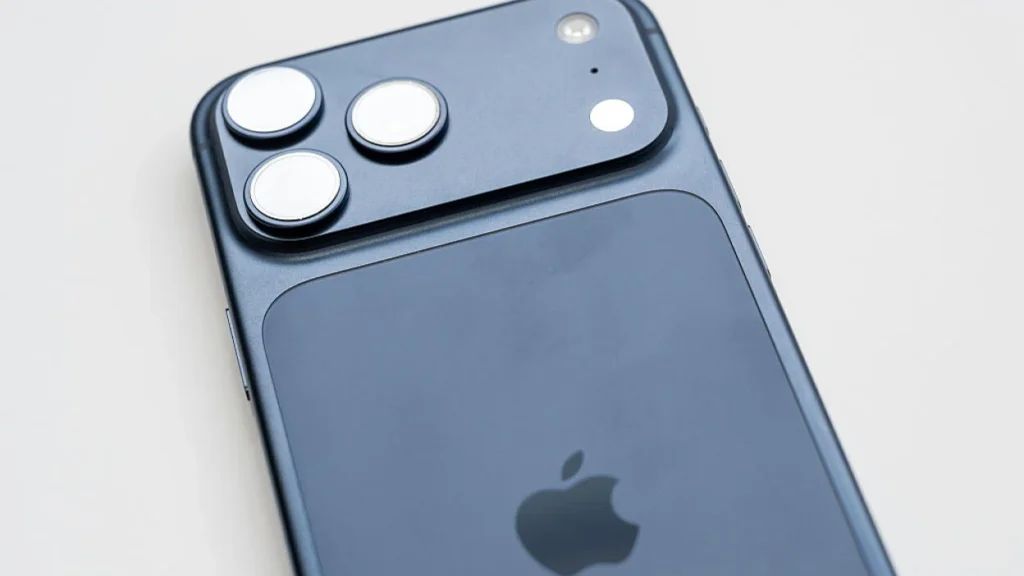
Apple continues to dominate the space for content creators. The iPhone 17 Pro Max features three incredible 48MP lenses that provide consistent color across every shot. It handles skin tones beautifully under any lighting condition. The video capabilities remain unmatched, offering smooth stabilization and professional-grade ProRes formats. It is the most reliable, easy-to-use camera for everyday moments and serious vlogging.
Samsung Galaxy S26 Ultra
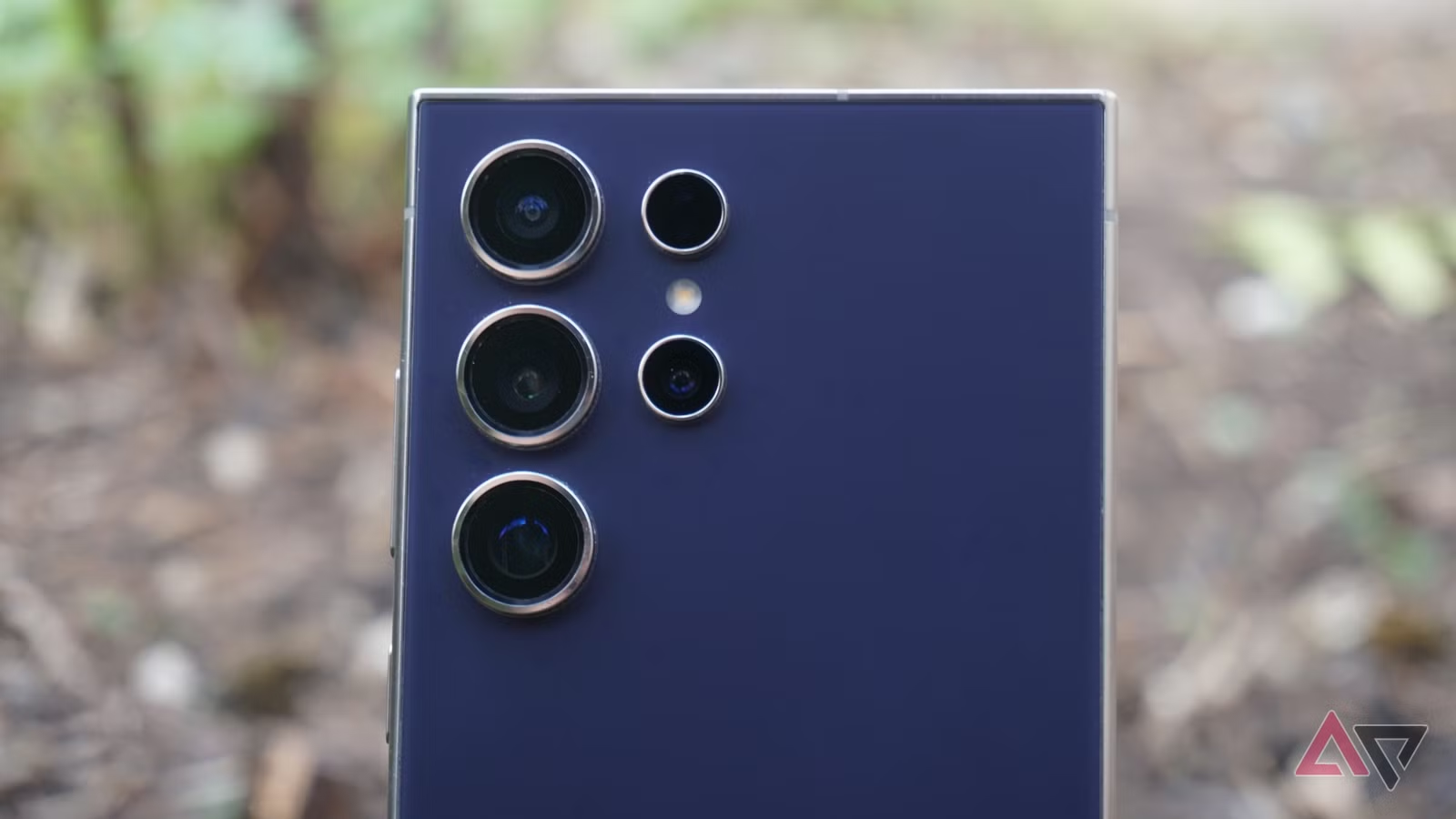
The Samsung Galaxy S26 Ultra is the ultimate tool for versatility. It boasts a massive 200MP main camera and exceptional optical zoom lenses. You can punch in at 5x or 10x and still get crystal-clear images. Samsung has also dialed back its aggressive color processing this year, resulting in more natural-looking skies and faces. If you need a phone that can shoot extreme close-ups and wide landscapes with equal brilliance, this is your best bet.
Specialized Phones for Serious Photographers
Some users want a phone that feels and acts like a dedicated camera. These models prioritize pure photographic excellence.
Xiaomi 17 Ultra
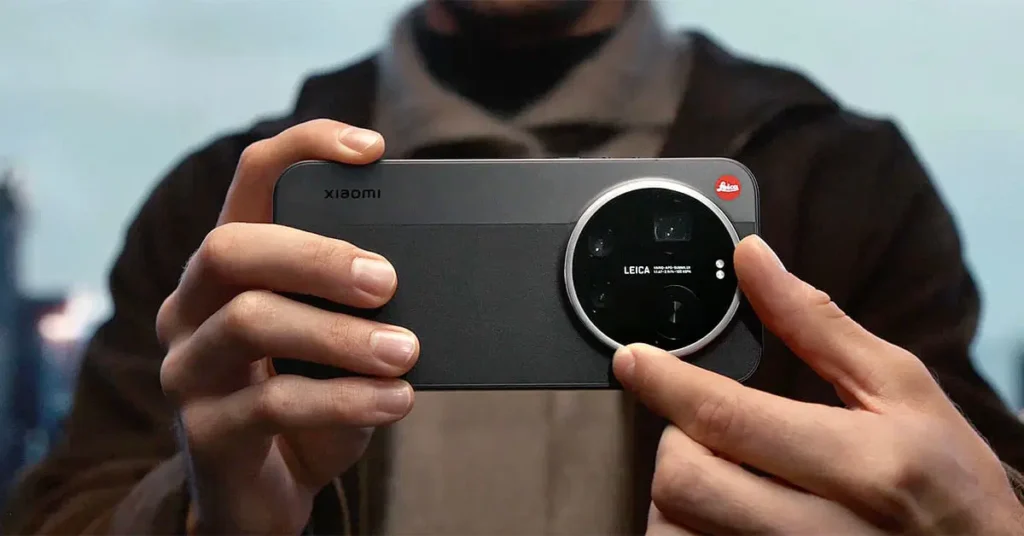
The Xiaomi 17 Ultra is a powerhouse for photography enthusiasts. It features a massive 1-inch main sensor co-engineered with Leica. The low-light performance will blow you away, keeping noise low and details sharp in the darkest settings. It also features a unique mechanical zoom lens that physical moves inside the device. If you want filmic, professional-level images with stunning depth of field, the Xiaomi 17 Ultra is a top contender.
Vivo X300 Pro
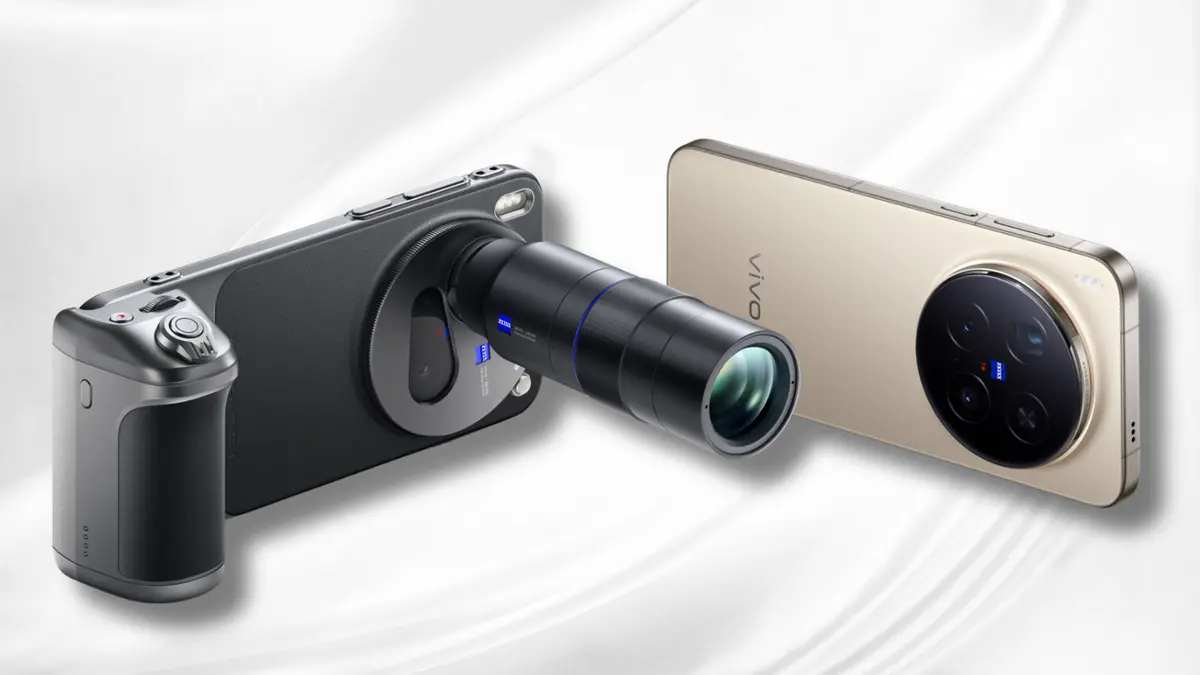
Vivo has made huge strides in mobile photography. The X300 Pro stands out for its incredible telephoto performance and true-to-life color science. It avoids the artificial sharpening that plagues many other devices. When you switch between the wide, ultrawide, and zoom lenses, the colors remain perfectly consistent. It is a fantastic choice for street photographers who want realistic documentary-style images.
Best Mid-Range Camera Phones
You do not need to spend over a thousand dollars to get great photos. These mid-range options balance budget and performance perfectly.
Google Pixel 10a
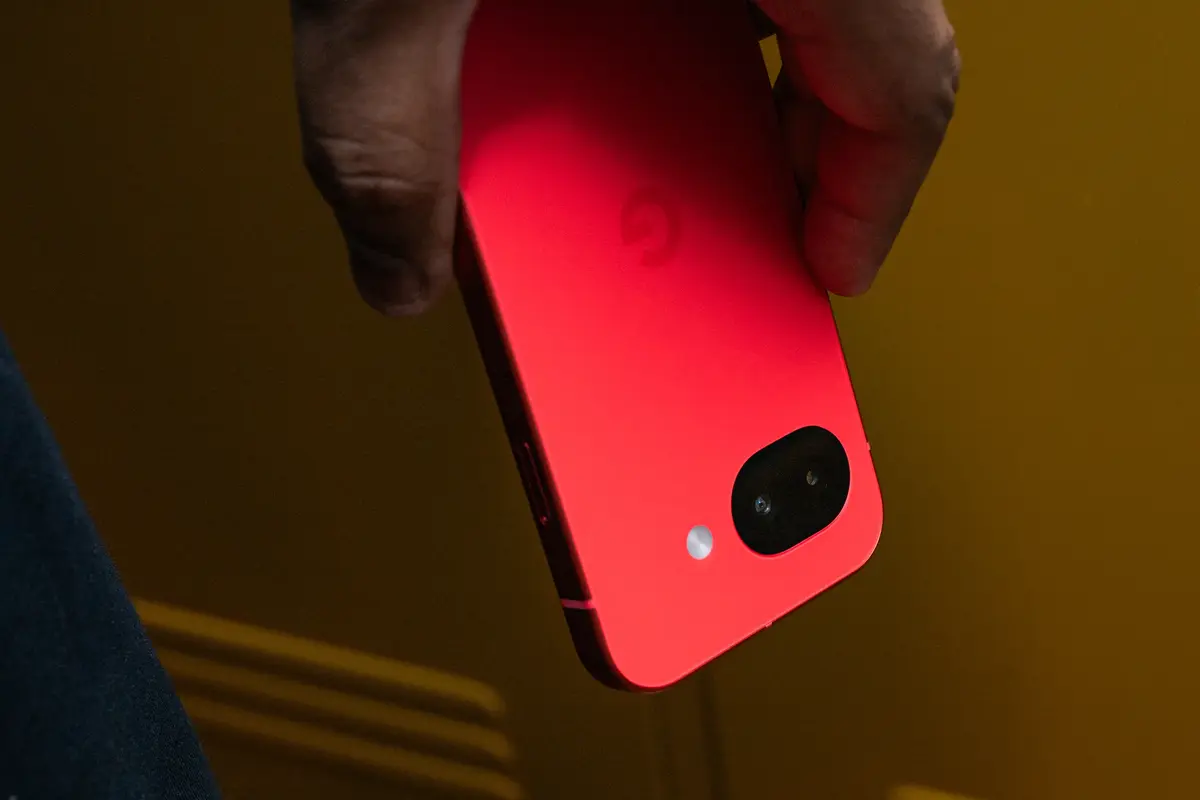
Google always delivers incredible value with its A-series. The Pixel 10a uses Google’s legendary computational photography to process images flawlessly. It captures perfect skin tones, handles tricky lighting with ease, and offers the best portrait mode in its price class. You lose some of the extreme zoom features found on expensive flagships, but for daily point-and-shoot photography, it is unbeatable for the price.
Samsung Galaxy A57
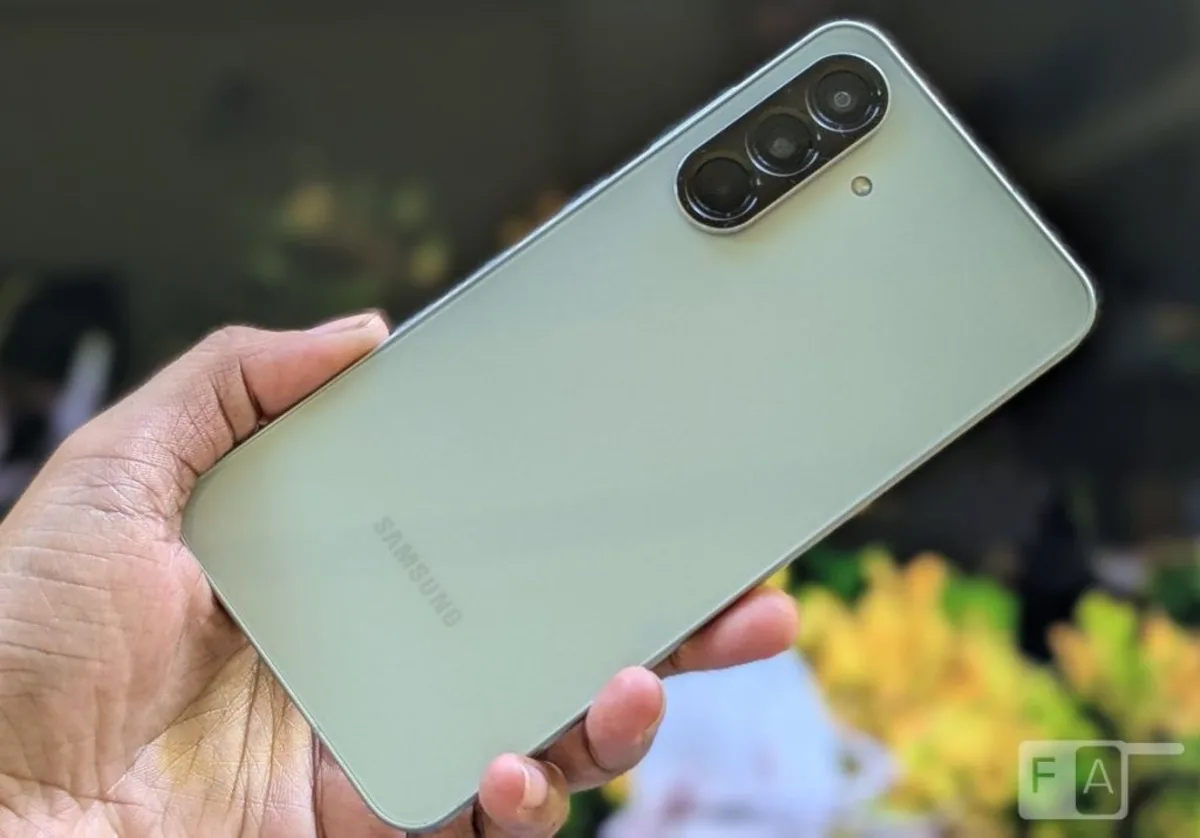
The Galaxy A57 is a reliable, everyday shooter that will not break the bank. It offers a solid main camera, a decent ultrawide lens, and excellent battery life. Samsung’s software makes it incredibly easy to snap bright, vibrant photos for social media. If you just need a dependable phone for family trips and daily snaps, the A57 provides fantastic value.
Practical Tips for Better Smartphone Photography
Having a great phone is only half the battle. Use these simple tips to elevate your mobile photography immediately.
- Clean your lens: Your phone lives in your pocket or purse. A quick wipe with a microfiber cloth removes oils and dust, instantly making your photos sharper and reducing light glare.
- Tap to expose: Do not let the phone guess what is important. Tap on your subject on the screen to lock the focus and adjust the brightness before you take the shot.
- Use leading lines: Look for roads, fences, or architectural elements that draw the viewer’s eye toward your main subject.
- Invest in a small tripod: If you want to shoot night photography or long exposures like silky waterfalls, you need to keep the phone perfectly still. A magnetic travel tripod makes a huge difference.
Frequently Asked Questions (FAQs)
How many megapixels do I really need?
More megapixels do not automatically mean better photos. A high-quality 12MP or 48MP sensor with large pixels will outperform a cheap 200MP sensor. Focus on sensor size and the manufacturer’s software processing instead of just the megapixel count.
Can a smartphone replace a DSLR or mirrorless camera?
For most everyday users and social media creators, yes. Modern smartphones offer incredible convenience, great image quality, and advanced computational features. However, professional photographers still rely on dedicated cameras for specialized tasks like high-speed sports, extreme low light, and massive print reproductions.
Which phone is best for recording video?
The Apple iPhone 17 Pro Max remains the industry standard for video. It offers the most stable footage, the best audio processing, and seamless transitions between different lenses while recording.
Elevate Your Photography Today
Finding the right smartphone changes how you document your life. Whether you choose the versatile Samsung Galaxy S26 Ultra, the video-friendly iPhone 17 Pro, or the budget-smart Google Pixel 10a, you now have the knowledge to make an informed choice. Decide what matters most to you—be it extreme zoom, natural colors, or affordability—and pick the phone that fits your creative needs. Grab your new device, wipe off the lens, and start capturing the world exactly as you see it.

A passionate content writer with a knack for turning complex ideas into clear, compelling narratives. With a sharp eye for detail and a deep understanding of digital trends, and audience psychology, with experience in troubleshooting guides and digital tools.